Introduction
Cryptocurrency provides users with unprecedented control over their finances, but managing digital assets safely is critical. Ledger hardware wallets are among the most trusted solutions for securing cryptocurrency, keeping private keys offline and protected from hacks or malware.
The ledger.com/start guide is designed to help both beginners and experienced users get started with their Ledger devices. It covers unboxing, device setup, wallet initialization, account management, transactions, and security best practices, ensuring your cryptocurrency remains secure while giving you a seamless user experience.
Why Choose Ledger?
Ledger devices offer robust security features that make them ideal for managing digital assets. By storing private keys offline, Ledger prevents online attacks, phishing, and unauthorized access.
Benefits of Using Ledger Wallets:
Offline Key Storage: Keeps your private keys safe from hackers.
Multi-Currency Support: Manage a wide range of cryptocurrencies with a single device.
User-Friendly Ledger Live App: Makes account management easy.
Recovery Phrase: Enables wallet restoration in case of loss or damage.
Using ledger.com/start ensures a secure and efficient start, guiding you through the setup process with clarity and precision.
Step 1: Unboxing Your Ledger Device
Before you can use your Ledger wallet, you need to unbox it carefully. Authentic Ledger products come in tamper-evident packaging, ensuring the device hasn’t been compromised during shipping.
Inside the Box:
Ledger hardware wallet (Nano S or Nano X)
USB or charging cable
Recovery sheets to write down your recovery phrase
Instruction manual
Check the packaging for any signs of tampering. Using a verified device is essential to guarantee security from the start.
Step 2: Initializing Your Wallet
Wallet initialization is a critical step. It generates private keys, sets up a PIN code, and provides a recovery phrase.
Initialization Steps:
Connect the Ledger device to your computer or mobile device.
Turn on the device and follow on-screen instructions.
Choose Create New Wallet or Restore Existing Wallet if you already have a recovery phrase.
Set a secure PIN code to prevent unauthorized access.
Write down the recovery phrase on the provided sheets and store them safely offline.
The recovery phrase is the key to accessing your cryptocurrency if the device is lost, stolen, or damaged. It should never be stored digitally or shared with anyone.
Step 3: Installing Ledger Live
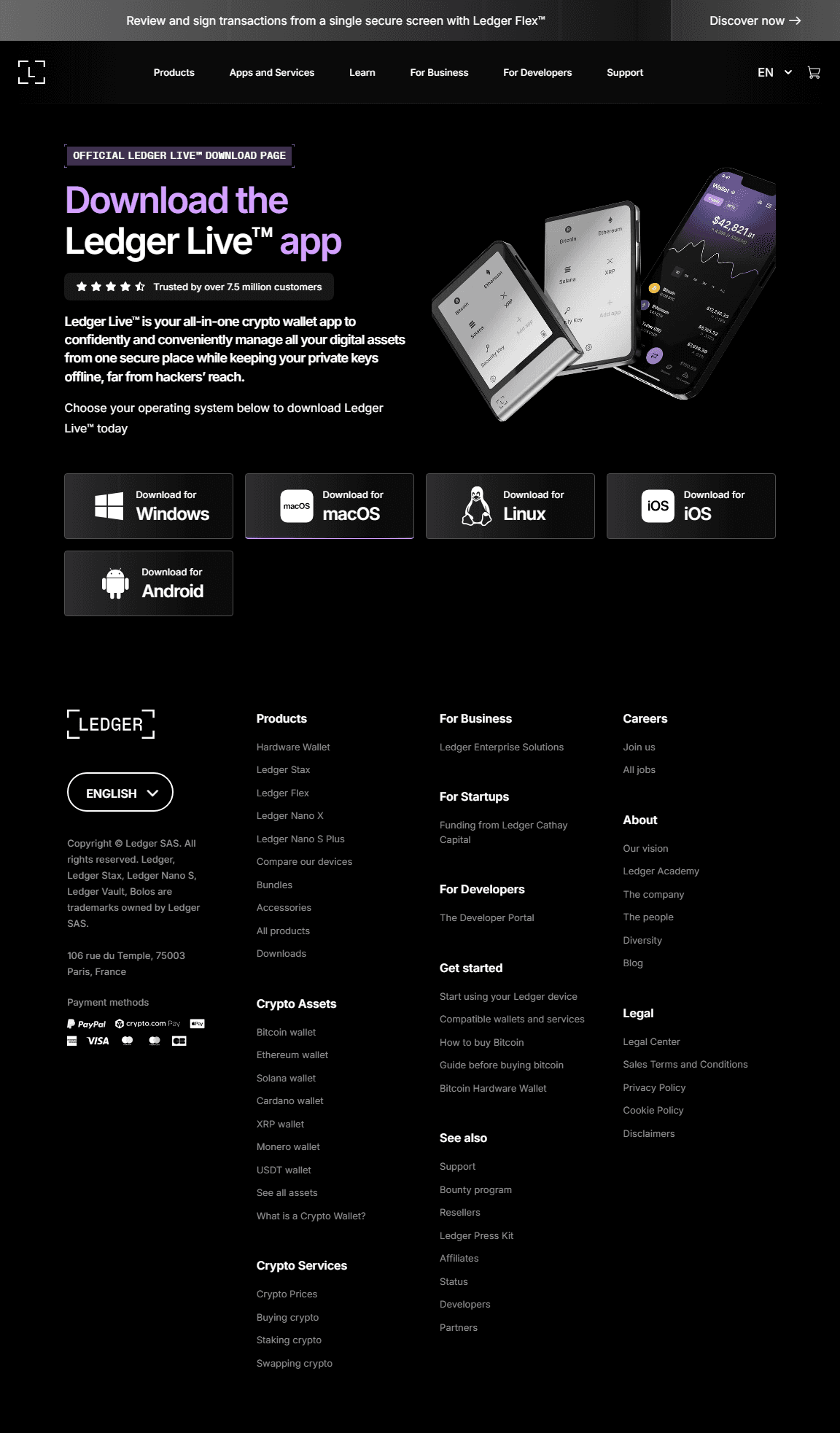
Ledger Live is the companion app that lets you manage your cryptocurrency accounts.
Installation Steps:
Download Ledger Live on your computer or mobile device.
Open the application and select Initialize as a New Device or Restore from Recovery Phrase.
Follow the instructions to pair your Ledger device with Ledger Live.
Once paired, you can manage accounts, view balances, send and receive cryptocurrency, and track transaction history securely.
Ledger Live is the central hub for managing your digital assets while keeping private keys safely on the hardware wallet.
Step 4: Adding Cryptocurrency Accounts
After setting up Ledger Live, you can add accounts for the cryptocurrencies you want to manage.
Steps to Add Accounts:
Navigate to the Accounts section in Ledger Live.
Click Add Account and select the cryptocurrency.
Confirm the account creation on your Ledger device.
Repeat for any additional cryptocurrencies.
This approach allows centralized management of multiple accounts while ensuring security remains uncompromised.
Step 5: Sending and Receiving Cryptocurrency
Ledger devices paired with Ledger Live ensure secure transactions.
Sending Cryptocurrency:
Select the account you want to send from.
Enter the recipient’s address and the amount.
Verify the details on your Ledger device.
Approve the transaction to complete it.
Receiving Cryptocurrency:
Choose the account to receive funds.
Generate a receiving address in Ledger Live.
Verify the address on your Ledger device before sharing it.
Every transaction must be confirmed on the device itself, adding an essential layer of security against unauthorized access.
Step 6: Understanding Security Features
Ledger devices provide several security mechanisms:
PIN Code Protection: Prevents unauthorized access to your device.
Recovery Phrase: Allows wallet restoration if the device is lost or damaged.
Offline Private Keys: Reduces risk from online threats.
Transaction Verification: Every transaction must be approved directly on the device.
Following ledger.com/start ensures that all these security features are enabled and properly configured.
Best Practices for Ledger Users
To maximize security, follow these recommended practices:
Keep PIN and Recovery Phrase Private: Never share them with anyone.
Store Recovery Phrase Offline: Keep it in a secure location.
Regularly Update Firmware: Updates improve security and add functionality.
Verify Addresses Before Sending: Double-check recipient addresses.
Use Secure Networks: Avoid public Wi-Fi when managing cryptocurrency.
Adhering to these practices significantly reduces the risk of theft or accidental loss.
Troubleshooting Common Issues
Even with proper setup, minor issues may arise:
Device Not Recognized: Check USB or Bluetooth connections and ensure Ledger Live is updated.
PIN Entry Errors: Multiple incorrect attempts may temporarily lock the device; enter carefully.
Lost or Damaged Device: Restore your wallet using the recovery phrase on a new Ledger device.
Ledger Live Problems: Restart the application and reconnect the device.
These troubleshooting steps help resolve most issues safely without compromising security.
Advanced Features
Ledger and Ledger Live also offer advanced functionality for experienced users:
Multi-Account Management: Track multiple cryptocurrencies in one interface.
Portfolio Tracking: Monitor gains, losses, and overall portfolio value.
Fiat Conversion: View balances in your local currency.
Staking and Rewards: Participate in staking for supported cryptocurrencies.
Firmware Updates: Keep the device updated to maintain security and access new features.
These features make Ledger suitable for both beginners and advanced users, providing robust tools for managing digital assets.
Benefits of Starting with Ledger
Using Ledger wallets provides multiple advantages:
Enhanced Security: Offline private keys and device confirmations protect your assets.
User-Friendly Management: Ledger Live simplifies account management.
Centralized Cryptocurrency Control: Manage multiple accounts easily.
Recovery Options: Restore your wallet securely using the recovery phrase.
Regular Updates: Firmware and app updates ensure continuous security and functionality.
Following ledger.com/start ensures a safe and reliable introduction to cryptocurrency management.
Conclusion
Ledger.com/start is the essential starting point for anyone who wants to securely manage cryptocurrency. By unboxing your device, initializing the wallet, installing Ledger Live, adding accounts, and following best security practices, you gain complete control over your digital assets.
Ledger devices provide offline storage, PIN protection, recovery options, and transaction confirmation. Combined with Ledger Live, they allow sending, receiving, and monitoring cryptocurrency safely.
Starting with Ledger ensures your assets remain protected while providing an easy-to-use, centralized interface for managing your digital portfolio. By following ledger.com/start, both beginners and experienced users can confidently navigate the cryptocurrency landscape with security and peace of mind.